Eugenie Umuhire: Confidence is contagious
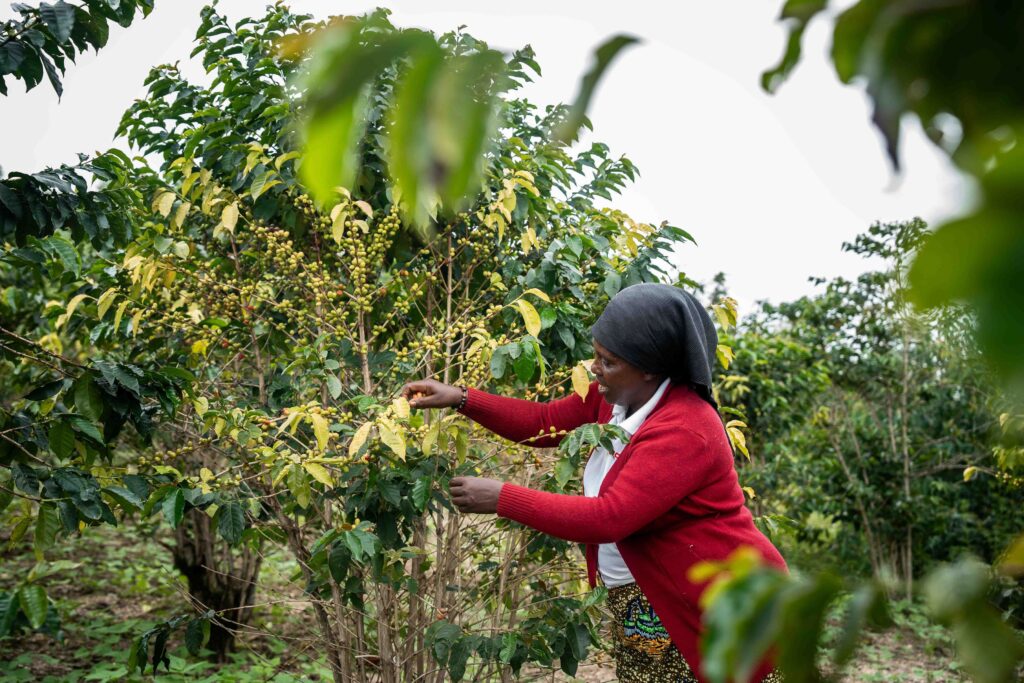
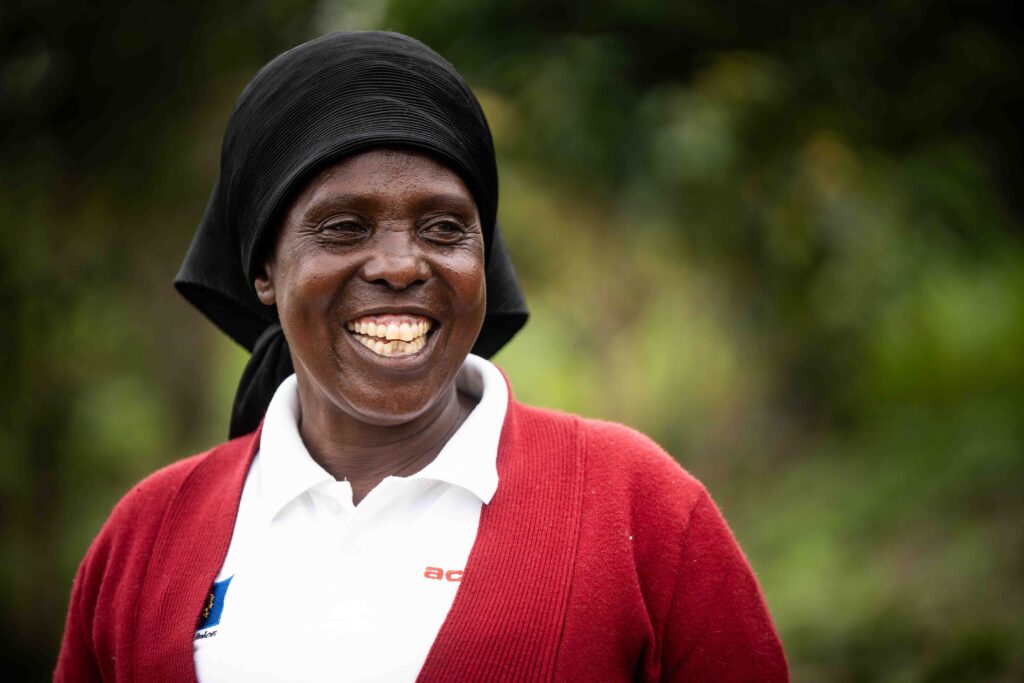
Eugenie Umuhire is a 58-year-old mother of 6 children in the Nyanza District of Rwanda. She works as a farmer who raises livestock. Her story shows how with support, local small-scale farmers can develop climate resilience and personal empowerment.
“We have experienced the effects of climate change in different ways,” says Eugenie. “Sometimes the weather was normal, while at other times it was not. As a result, our harvest fluctuated, sometimes increasing and at other times decreasing.” Inconsistent weather patterns brought on challenges for Rwandan farmers like Eugenie, who often provide food directly to their families and surrounding communities.
However, participating in the Kungahara Project has helped Eugenie and other female farmers learn how to prepare for these inconsistencies and secure their own harvests. Through trainings, “we have learned how to recognise favorable and unfavorable conditions, enabling us to respond effectively to the impacts of climate change.” Eugenie and her peers have also learned practices to actively sustain agriculture amidst the effects of climate change, for example, “learning how to prevent and control soil erosion.”
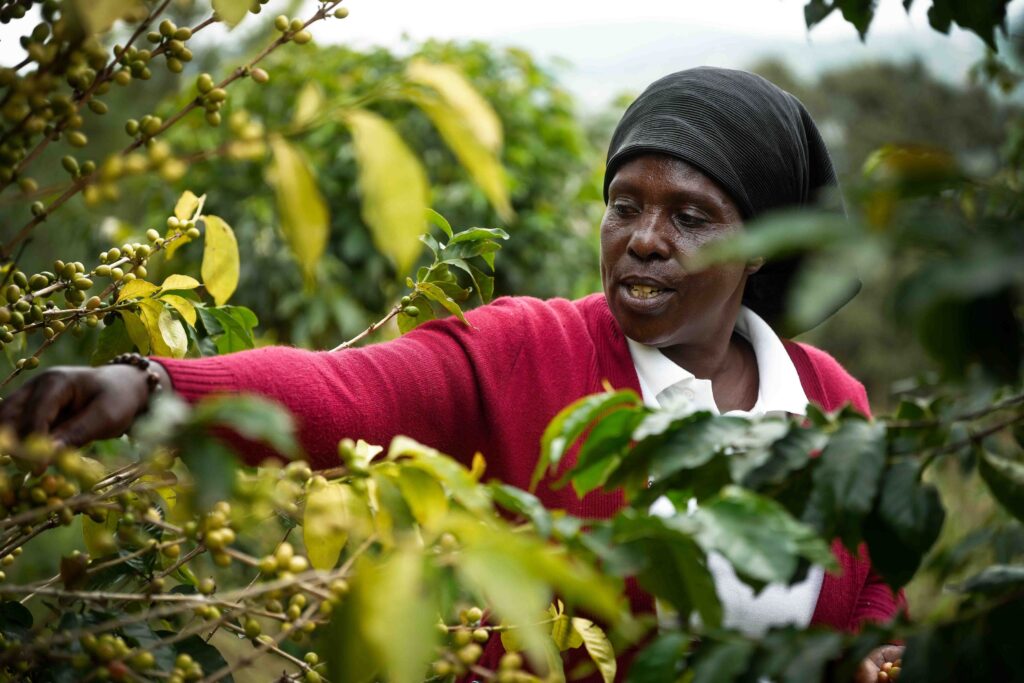
In addition to simply keeping their harvests alive, Eugenie has improved her capability of producing high-quality yields by learning techniques like crop rotation, intercropping and effective fertilizer use. Trainings also taught Eugenie to source food outside of agriculture. “We were taught how to fish in the sea, as the proverb says,” she says, alluding to how she has gained the ability to provide for herself long after initial support was provided.
Furthermore, Eugenie and other participants in the Kungahara Project have learned to apply their practical skills beyond subsistence farming, producing for markets and generating income. Eugenie shares that the support “has enabled us to grow from a basic level to a more sustainable and productive stage. Today, we can cultivate and supply produce to the market, pay school fees for our children and consistently provide food for our family. As a result, our overall quality of life has significantly improved.”
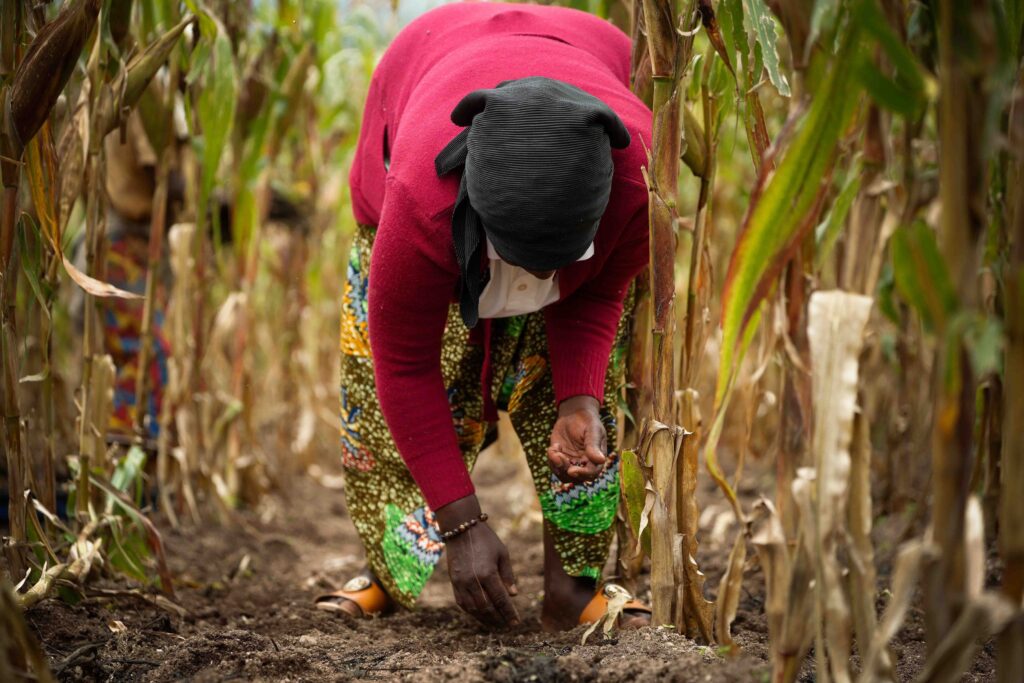
Eugenie now envisions herself as a businesswoman, hoping to reach a higher stage in her career in the next five years. “If I started maize farming today,” she says, “I plan to eventually establish a maize flour factory, handling everything from cultivation to production. Through this success, I am to educate and empower other women who are still starting out, helping them take steps forward.” Her five-year plan reflects the immense confidence she has gained as an individual and a community leader.
Before joining the Kungahara Project, Eugenie’s self-image was shaped by doubt: “I was a lost woman, uncertain of where I came from or where I was meant to go. I was a poor woman. I lacked confidence.” She recalls how she and other women were “limited by household chores and responsibilities” which prevented them from exploring other opportunities. “But now, everything has changed for the better. Life is good, and we are in a much stronger and more hopeful place.”
Although Eugenie has many personal wins to celebrate, such as paying school feels for her children and expanding her farms, her wave of confidence and empowerment is not an individual phenomenon. It arose from Eugenie’s experience joining together with a community of women in similar situations who worked together to overcome similar challenges, find new opportunities, and build collective strength.
Throughout their time in the Kungahara Project and beyond, these women have leaned on one another to develop shared capability. “Sometimes you come with fewer skills in certain areas and others can share their ideas and knowledge, so we can learn from each other,” Eugenie says. “When there was something I did not know, my fellow women would guide me on what to do.” This has enabled the women to respond to challenges, such as climate change in agriculture, as a team.
Sharing her knowledge with others has given Eugenie confidence as a leader. She takes pride in being a part of decision-making circles in her community and gaining the trust of her neighbors. In addition to teaching others, she engages in efforts to address shared problems. “Currently, I am actively engaged in fighting against gender-based violence. I also support efforts to return children to school by engaging in conversations with families and encouraging them to prioritize education. In addition, I assist children facing malnutrition by working closely with their families to find solutions and provide support.” Eugenie feels empowered to enact positive change in her community, which she deeply values being a part of.
Eugenie’s story shows that when natural leaders are given a little extra support and empowerment, the confidence they have – and the change they can make – becomes contagious. She affirms that she can “travel abroad and educate other women who are still struggling, showing them how they can empower themselves and develop their lives.”
Eugenie hopes to continue collaborating with her fellow community members to work towards a better future. “I can say that working together means many things,” she reflects. “It means coming together and collaborating so that we can move forward as one, share ideas and work to fight against poverty, and resolve conflicts in Rwandan society.”