Hilarie: When support means security
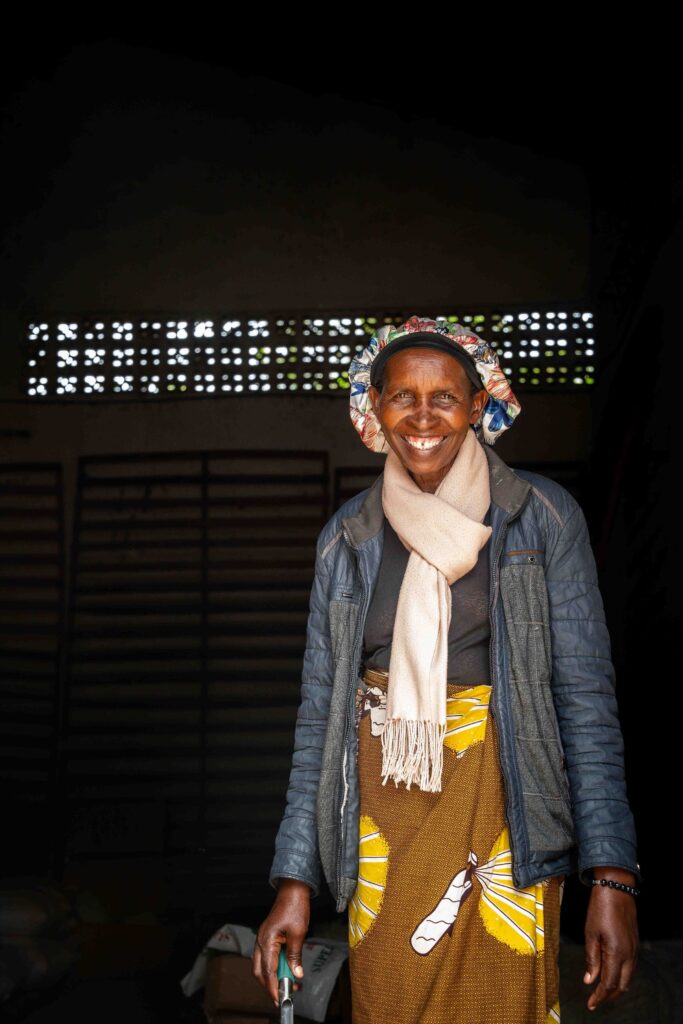
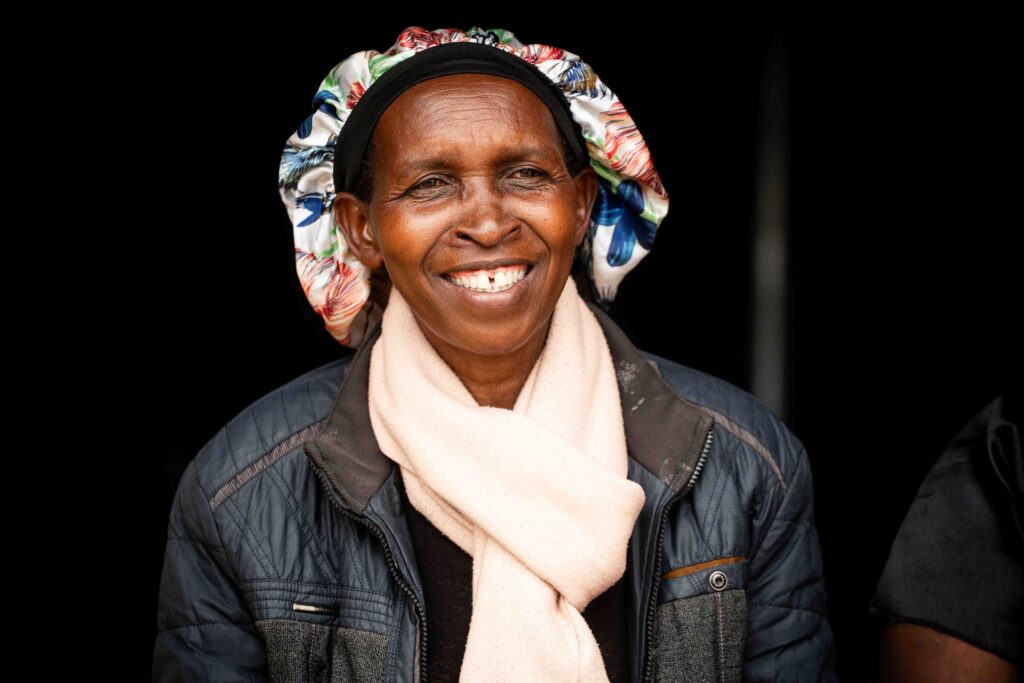
Hilarie Mujawamungu is 55 years old and lives with 9 people in her household in Rwanda, including her husband. She serves as the president of her cooperative. Her story reveals how support can help women become more independent, secure from harm, and empowered.
Before connecting with ActionAid, Hilarie and her peers were running into financial trouble. The women would set aside savings in a bank, but long queues deterred them from doing so themselves as this took away from their everyday lives. Instead, the women relied on other individuals to manage their money, who often did not deserve their trust. “We would entrust someone with money to deposit in the bank, but he would sometimes use it for their own personal purposes instead,” Hilarie says. “We experienced difficulties in managing shared money and occasionally lost it.” Additionally, the women were required to pay a committee of people who managed their money, “and this resulted in considerable financial losses.” These struggles rendered these women’s funds inaccessible and unsecure.
Having immediate access to financial resources is essential for women who have everyday responsibilities, such as paying for medical bills, school fees and other expenses. A solution to these problems couldn’t wait, and it arrived in the form of trainings from ActionAid.
“ActionAid has supported us by providing training in Uplus, teaching us how to save money using mobile phone technology,” Hilarie says. “We learned how to save money easily and we can sleep peacefully knowing our money is secured on our phone.”
Hilarie and her peers learned to use an app, Uplus, which allows them to share and collectively manage their savings. She and her friends serve as approval members, who review requests from other members and release funds digitally. This has allowed Hilarie and other women to quickly access funds in times of need. “There was a time when my child was sick,” Hilarie shares. “When I ran out of cash, I immediately requested a loan, and the approval members accepted it. And immediately, I was able to pay the medical bills.”
These trainings have helped Hilarie and her peers feel more confident and secure using money. “No one would access the money without our consent or without our approval… Our money is secure, and it is clear that these advancements have made managing finances much safer and easier.” The trainings have also taught them to manage their time effectively and secure their belongings, which has boosted their capability and independence.
In the future, Hilarie hopes to teach other women to use Uplus and save money. She also envisions herself as a leader in supporting women who have experienced violence, like herself. “I will be a woman who advocates for others regarding all types of violence… People should know that I went through domestic violence, but thanks to ActionAid, I learned that such violence can be overcome and end.”
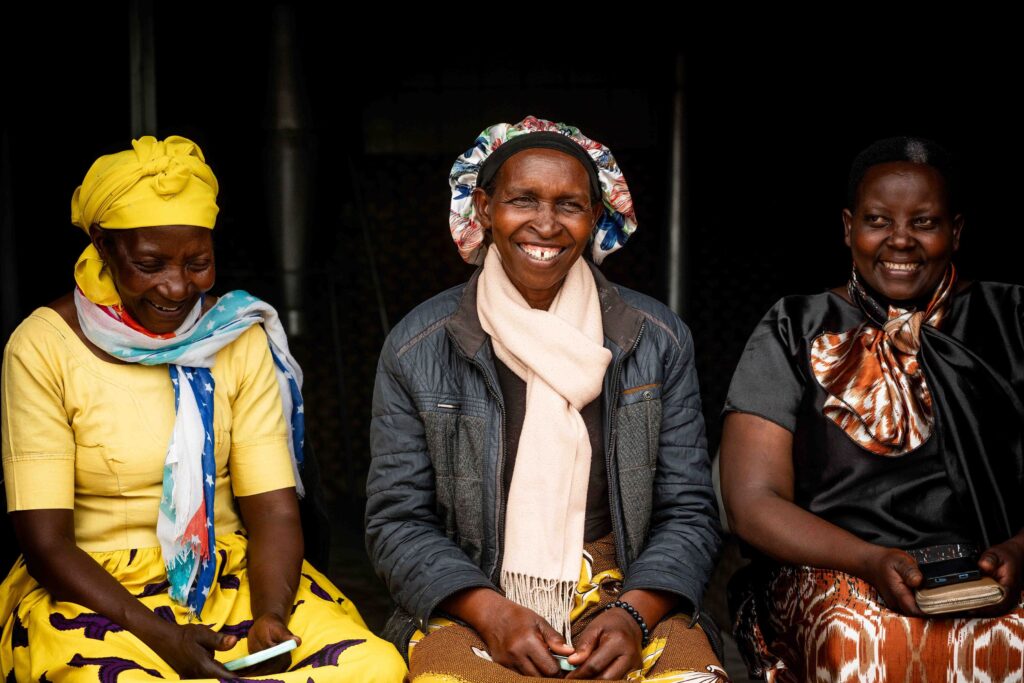
Hilarie’s vision for her future is not far from reality. Today, Hilarie consistently practices collaboration and advocacy by leading a group of 1,507 women, working in a cooperative maize flour factory with other women, and serving as a member of a national ActionAid committee.
However, Hilarie recognizes how many women still lack the empowerment she has gained and continue to experience disproportionate impacts of poverty. “Long-term support from ActionAid is crucial for our continued growth and empowerment, because there are still women who have not yet believed in themselves… when it comes to protecting their property and managing our money, this knowledge can be very helpful if it reaches other women and girls who need it.”
For women like Hilarie, sustained support can be the difference between living in an abusive household and securing a safe environment, or between financial instability and security. Continued trainings can help more women become less vulnerable and more comfortable while using and saving money, allowing them to take care of themselves and others.
Additionally, when more individual women feel empowered, communities become more capable of collaborating and gaining power together. “Cooperation, to me,” Hilarie says, “means coming together to support one another in addressing the challenges we face, including poverty, violence, injustice and other difficulties.”