
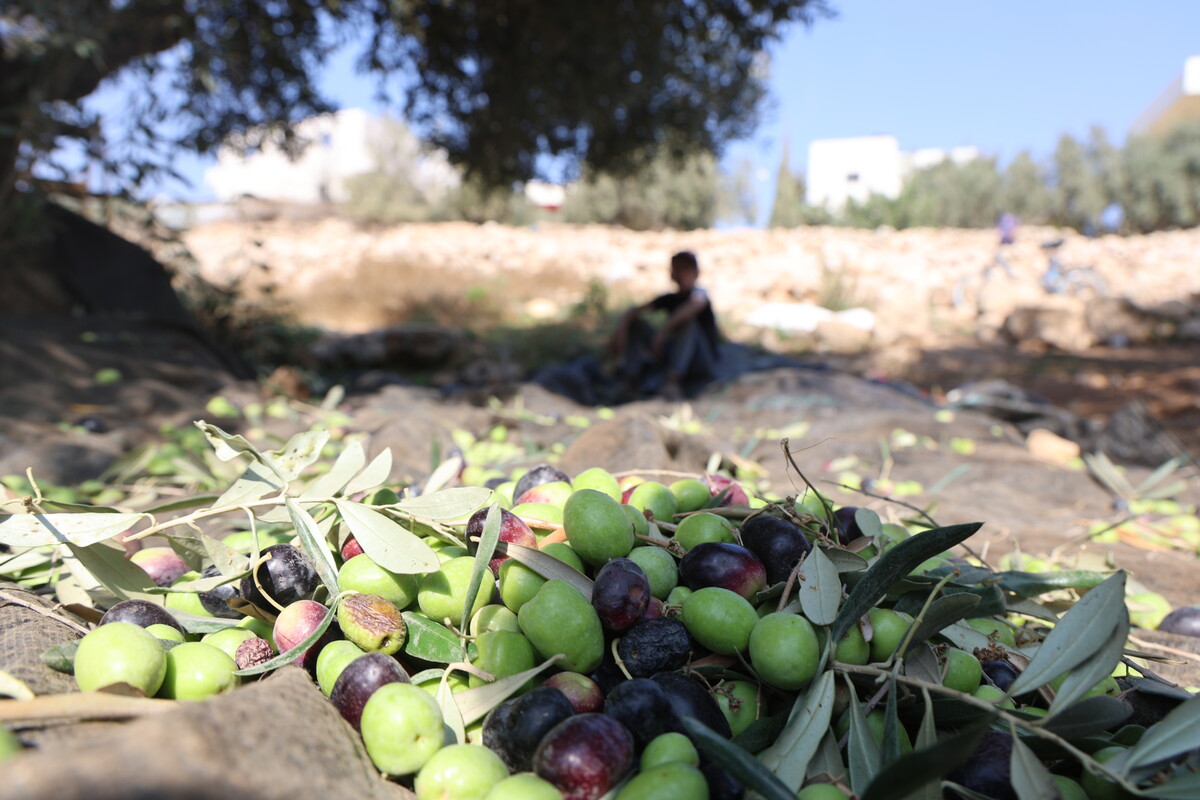
Once a time of celebration and togetherness, the olive harvest has become a season of fear for Palestinian families. As attacks and restrictions threaten their livelihoods and access to their land, farmers are determined to protect their traditions, sustain their families and preserve what generations have built.
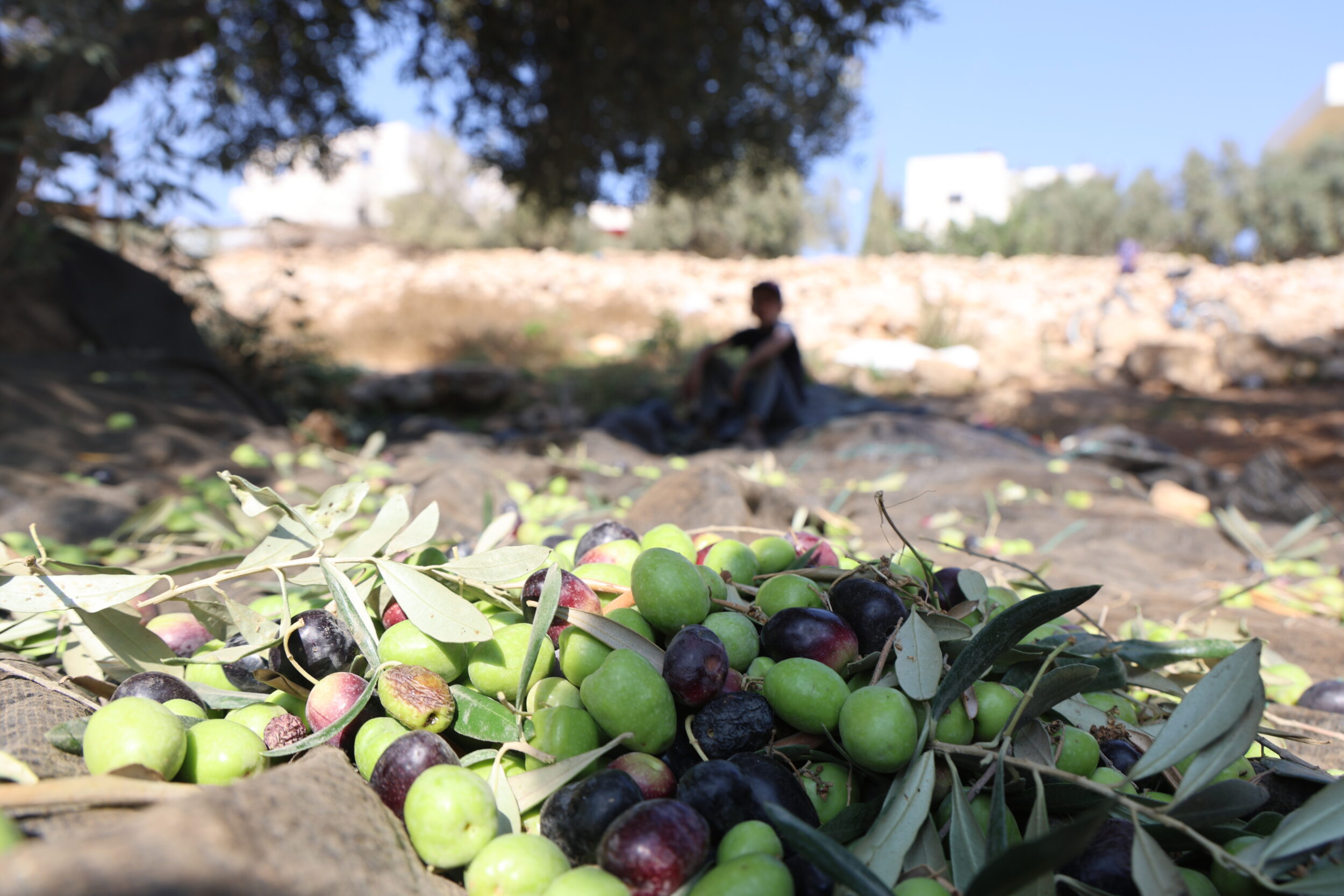
For generations, the olive harvest has been a time of celebration, livelihood and connection to the land for Palestinians. But in recent years, and increasingly so today, it has become a season of fear.
Israeli settler attacks, intimidation and movement restrictions are preventing farmers from reaching their olive groves, threatening their livelihoods and severing generations-old ties to their land.
This year’s harvest has already become the most violent on record, even before it has finished, with 377 olive-harvest-related settler attacks reported since September – exceeding the total recorded during any previous season, according to UNOCHA.
Masked Israeli settlers. Snapped saplings. Trees felled. Harvests stolen. A father of four shot dead by an Israeli settler while harvesting his olive grove. Twenty-five people injured in a single attack. A woman beaten unconscious.
Previous seasons were difficult, but this season is unprecedented.
The occupation authorities are preventing us from accessing our land, even the plots close to our homes, harvesting our olives and even taking our sheep there. We have been unable to do anything,
says Ziad, an olive farmer from the north of the West Bank who has been working with olive trees for 50 years.
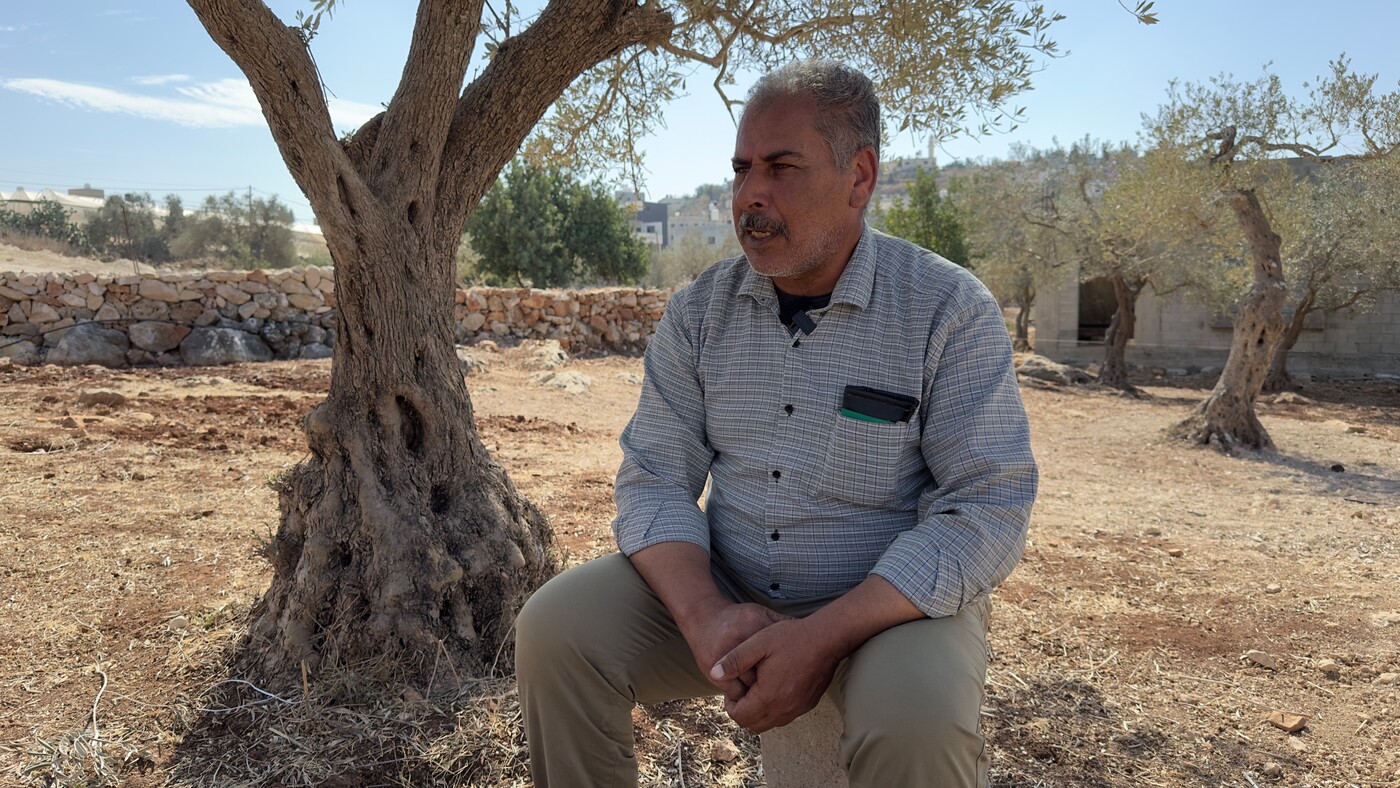
Ziad, one of many olive farmers in the West Bank prevented from harvesting his olives and tending to his trees
Farmers can no longer access their land without first obtaining a permit. They may be allowed to access it for just one or two days throughout the year,
explains Abdullah, owner of an olive press in the occupied West Bank and a board member of the Local Communities Foundation.
We are witnessing serious injuries among people who go to their land to harvest olives. Farmers are beaten by settlers or the army, or by settlers acting with the army’s support…simply being on your own land puts you at risk of arrest.
[Settlers] stop you and take everything you are carrying. As a result, people have become fearful and feel unsafe. They no longer feel that their money is secure, or even that the products they work so hard to produce are safe.
The olive tree used to be part of a beautiful traditional and social ritual. Farmers would go to their trees and take their sons and children with them to the land. Today, however, they can no longer take anyone with them because they fear the dangers they might face.
ActionAid’s response: equipping farmers and strengthening livelihoods
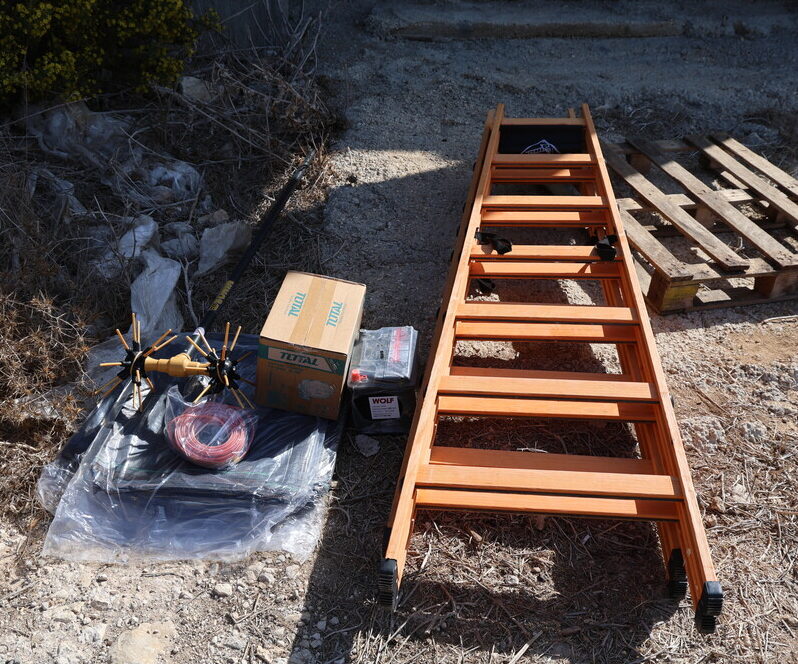
ActionAid is supporting olive farmers in the West Bank by providing equipment including ladders, pruning tools, harvesting sacks and sheets so that they can pick their olives quickly in the limited time they are permitted.
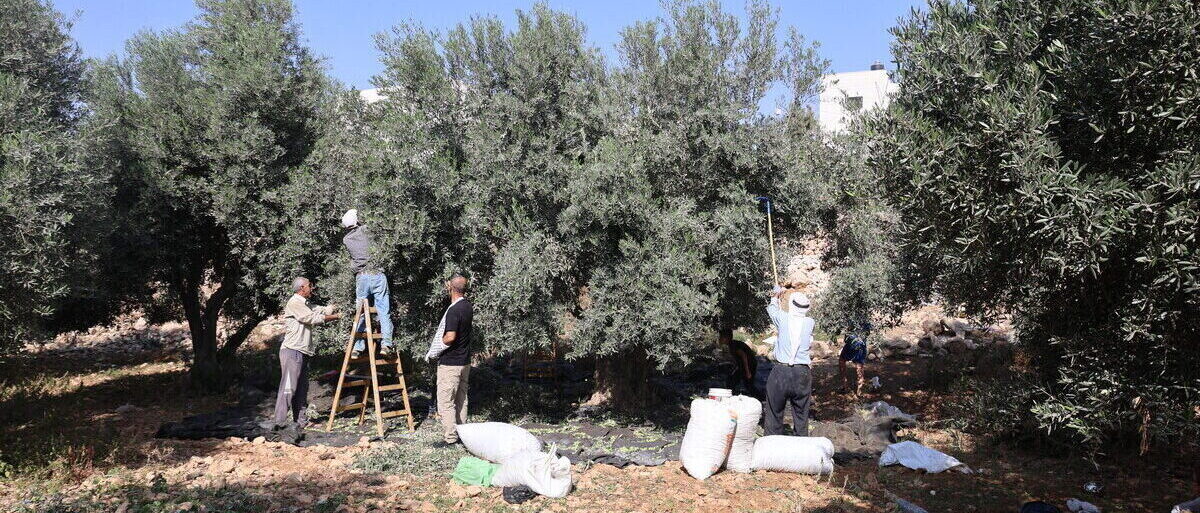
Since 2007, ActionAid Palestine has worked alongside women farmers and other community members to protect livelihoods, advance women’s economic empowerment and strengthen community-led efforts to overcome ongoing challenges.
Since the escalation of the war, ActionAid’s response has reached 722,000 people, including 2,000 Palestinians who have received livelihood assistance to help sustain their incomes.”
Since the escalation of Israeli army attacks in October 2023, ActionAid’s response has reached 722,000 people, including 2,000 palestinians who have received livelihood support to help sustain their incomes.
A lost harvest cost a family a year of income, a destroyed tree cost a decade or more…