Forced from their homes by conflict, persecution, violence, or climate disasters, families lose far more than a place to live. They lose their livelihoods, their safety and dignity, and often the support networks they depend on to survive.
¹ UNHCR, Figures at a Glance
In crisis, they are often the hardest hit — while carrying the responsibility of caring for others.

We work alongside women and communities through crisis, recovery, and rebuilding — and to strengthen long-term resilience.
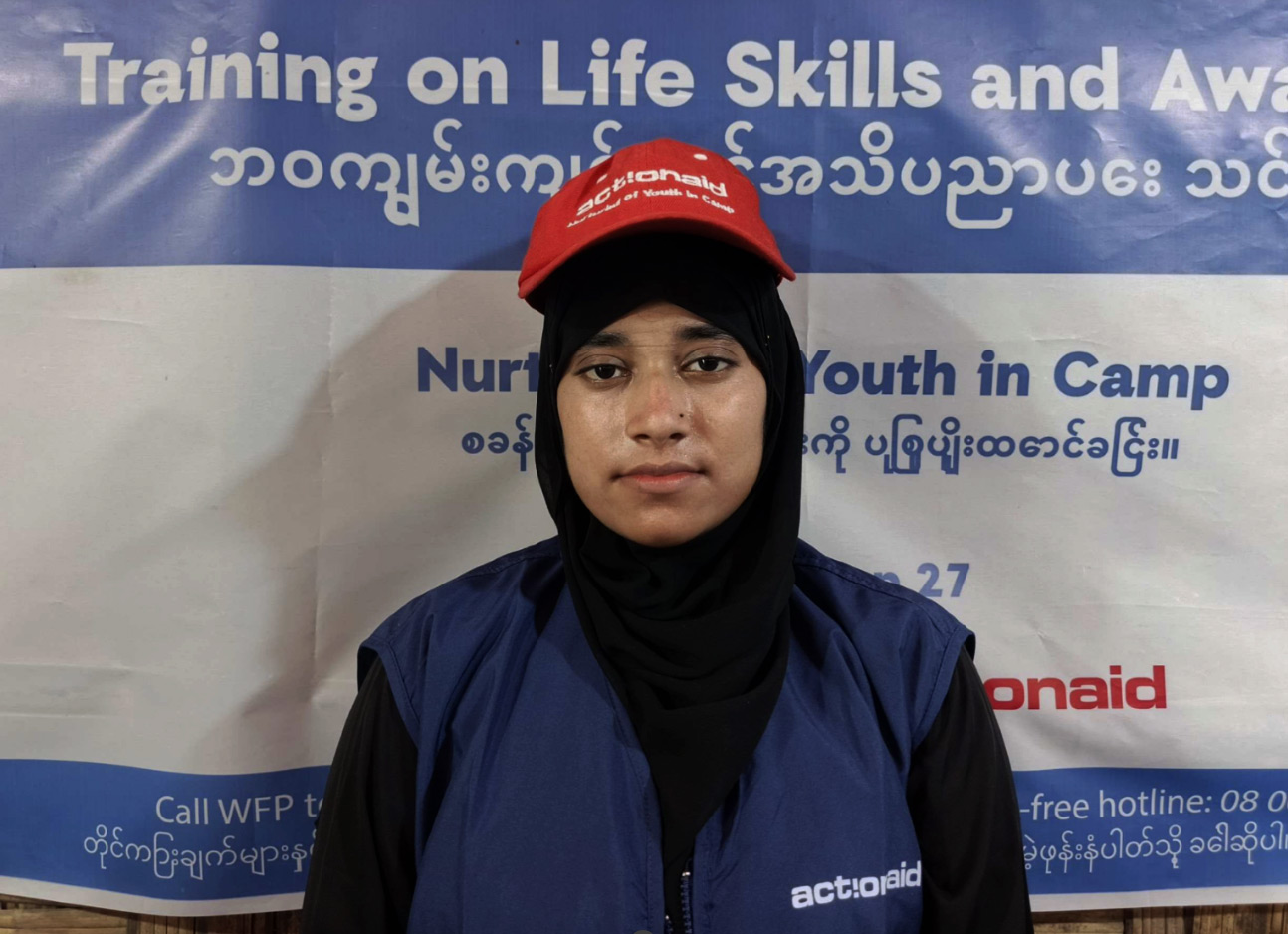 When escalating violence and persecution in Myanmar in 2027 forced Ruzina and her Rohingya family to flee to Bangladesh, food support helped her family survive. Years later, training and mentoring gave Ruzina the skills and confidence to rebuild her future. Today, she helps other displaced families access information, services, and opportunities in her community.
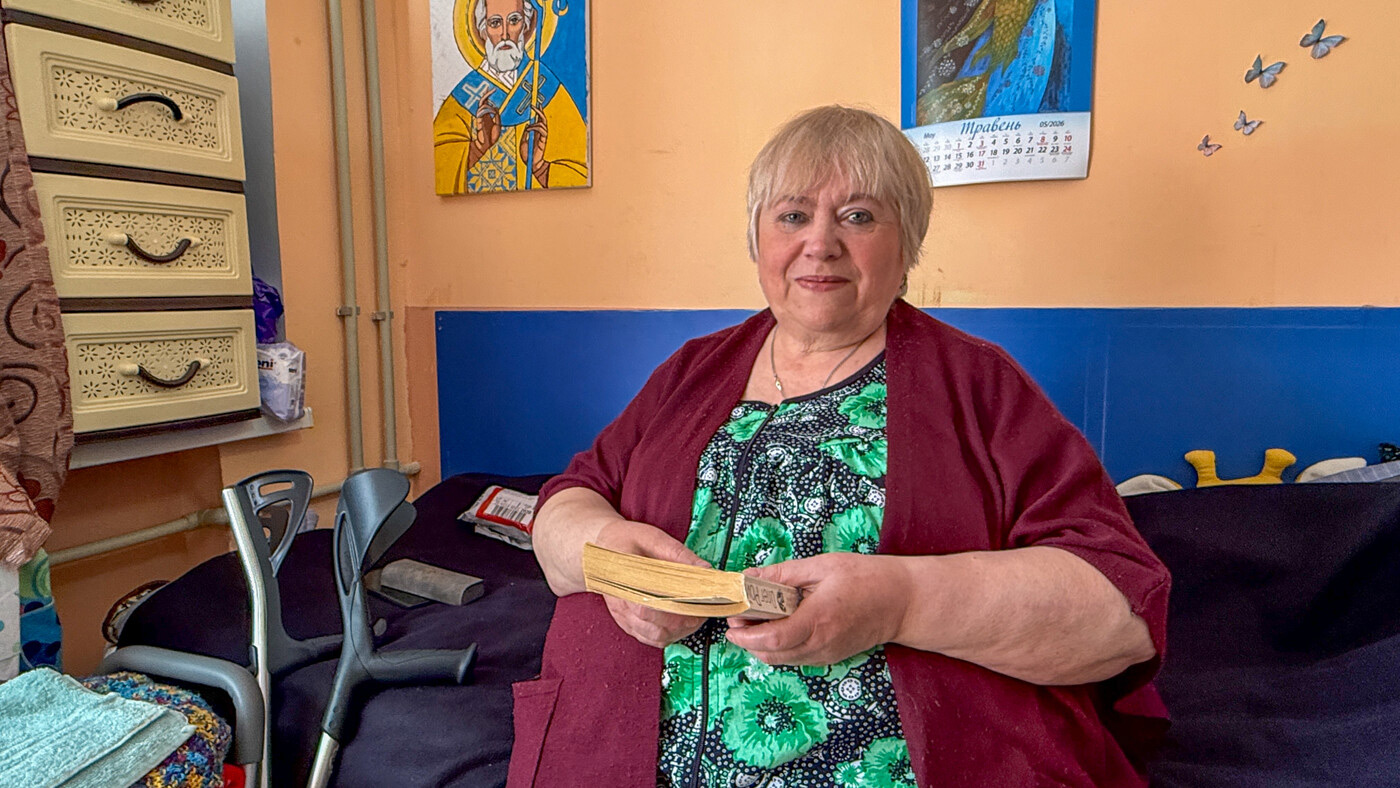 Photo: Carol Garcia/ActionAidTatyana was one of the last people evacuated from her town in eastern Ukraine after enduring years of destruction. “I got trapped under the rubble. When they finally got me out, I came here,” she recalls, arriving at the shelter in a bathrobe and slippers. “I left, and my father died there without me,” she regrets.
A librarian for 40 years, she now lives in a supportive environment designed to help displaced people rebuild their lives. She helps build bridges between displaced people and the local community by organising cultural events. “I dream of walking again and of peace.”
 Photo: Nurun Nahar