
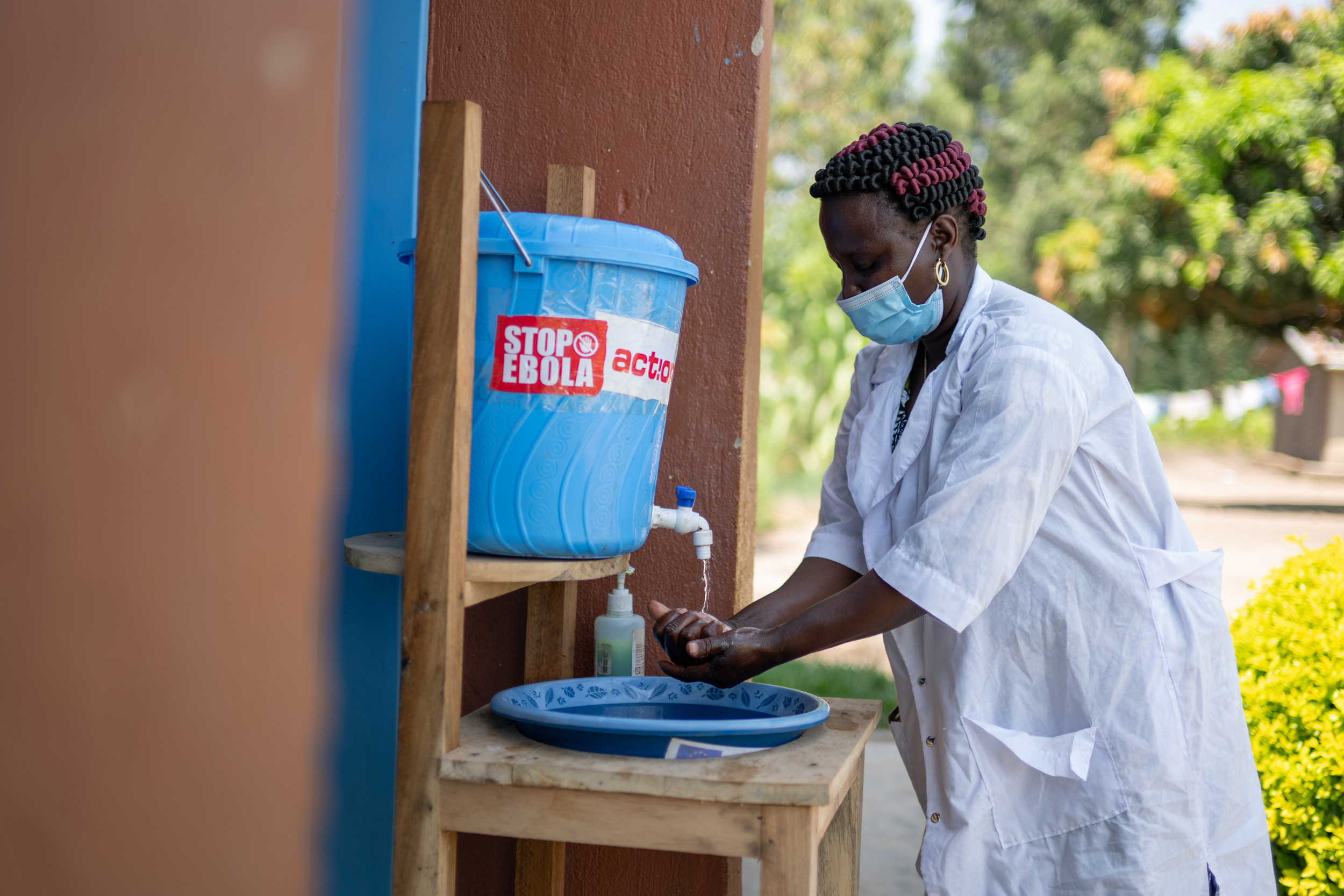
Updated: 22nd of October 2026
In the Democratic Republic of the Congo, women like Atimnedi, Esther, Hélène and Chance are confronting the devastating impact of the growing Ebola outbreak on their communities, challenging dangerous rumours and finding ways to save lives.
The Ebola outbreak is unfolding amid an already devastating humanitarian crisis in the Democratic Republic of the Congo (DRC), where years of armed conflict and violence have displaced millions of people and disrupted access to essential healthcare and other basic services.
While fear and misinformation keep people away from health centres, the outbreak continues to spread and survivors of gender-based violence risk being left without essential care.
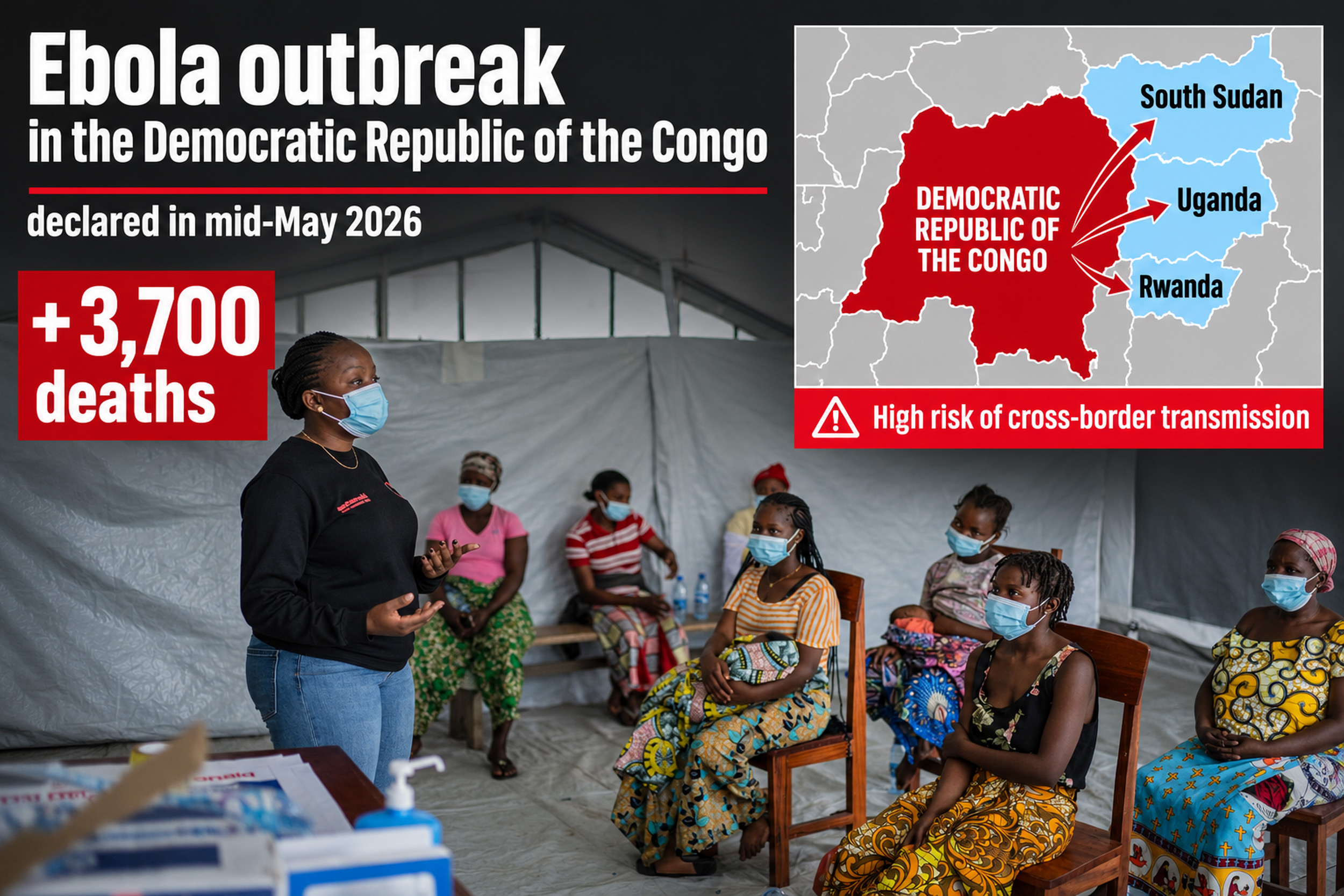
Since May 2026, Hélène Kahambu has worked as a Health Promotion Agent, supporting women and communities during the Ebola outbreak. She has witnessed how rumours and fear are preventing people from seeking life-saving care.
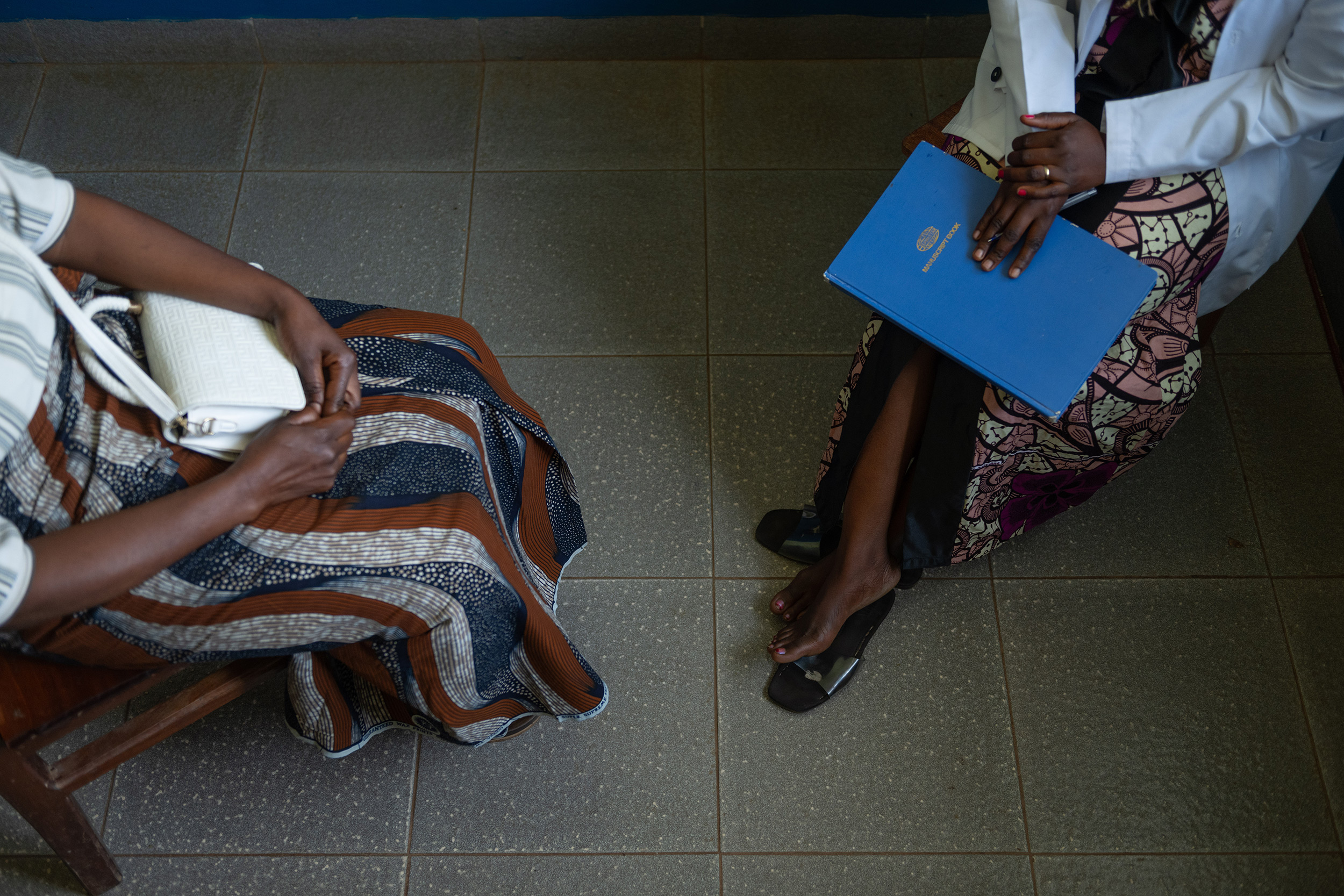
“Because patients are afraid to seek care at the health centre, they hide at home,” she explains. False information circulating on social media and within communities has fuelled mistrust of health services, with some people believing that healthcare workers are deliberately harming patients.
Chance knows how damaging these rumours can be. “I thought it wasn’t Ebola, and that healthcare workers were killing people at the general hospital. It was only after attending an ActionAid awareness-raising session that I accepted Ebola is a real disease,” she says. Chance fled her village in 2018 because of conflict. Now a new mother, she is rebuilding her life while striving to protect her newborn from Ebola. With cash assistance and business training from ActionAid, she started a small business selling maize flour from her home, generating income to cover essential expenses and provide for her baby.
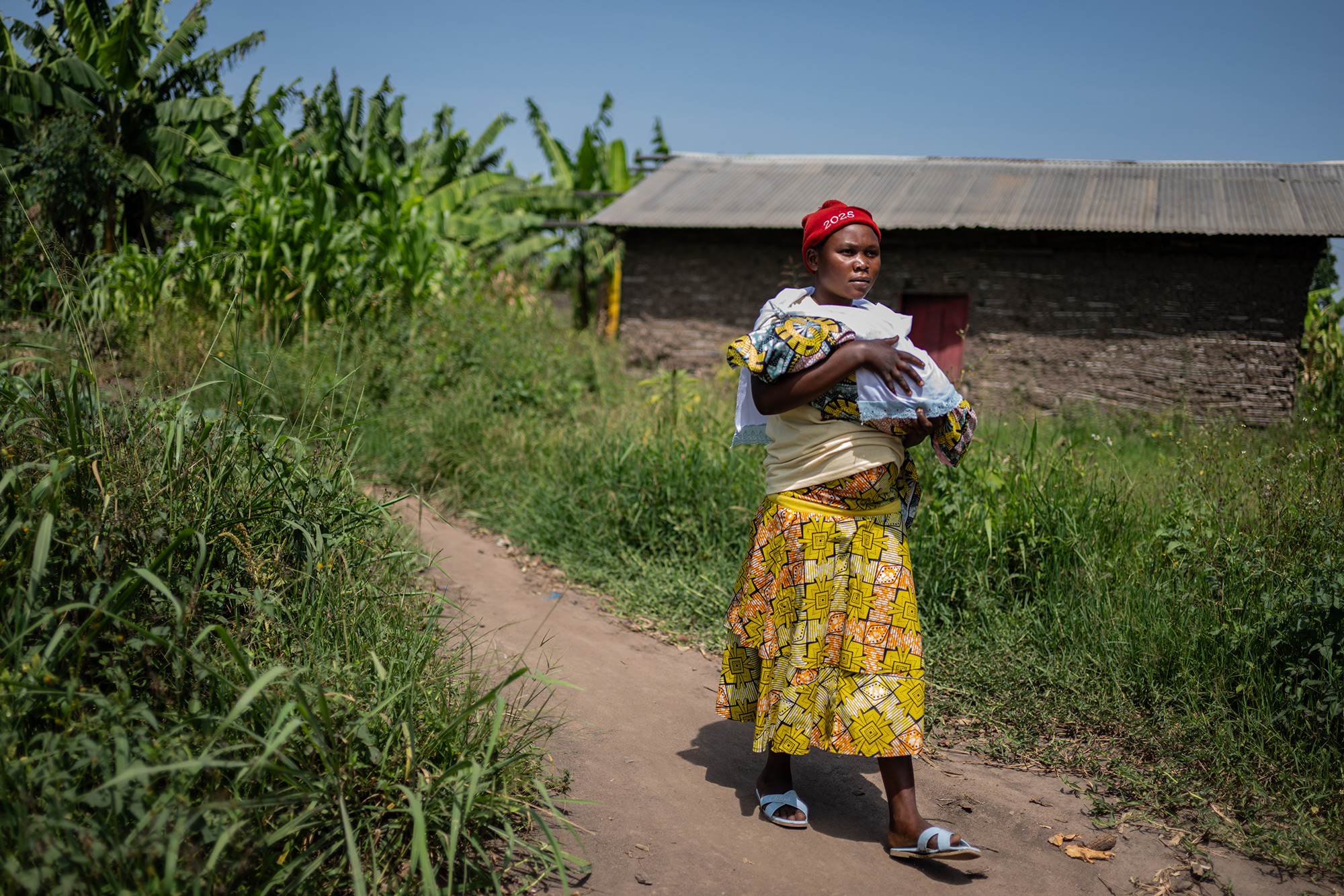
For women experiencing violence at home, this mistrust can have devastating consequences. Hélène has seen how this fear contributes to gender-based violence going unreported and survivors being left without the care they need. An outbreak that is already threatening lives is making it harder for women to access protection and essential services.
She recalls a woman who had been beaten on the head by her husband but was afraid to go to hospital. As Hélène explains, the woman feared that “if I go there with a fever, they will say I have Ebola”, even though her fever was the result of her injuries.
The outbreak is therefore not only threatening lives through infection. It is also making it harder for women to access the medical care and protection they need.
Fighting Ebola against all odds: Health workers confront fear and misinformation
Atimnedi Utondu Lucie, a nurse at a health centre in Bunia, has also seen how rumours are undermining trust in healthcare workers and keeping patients away.
“What surprises me most during this Ebola epidemic is the considerable drop in the number of patients visiting the health centre,” she says.
She recalls a pregnant woman who came to give birth. “As I was preparing to examine her and assist with labour…she began to tremble and confided in me that, in the community, some people were claiming that nurses were killing patients. Faced with this situation, I took the time to speak to her calmly, reassure her, and explain the measures we take to protect patients”
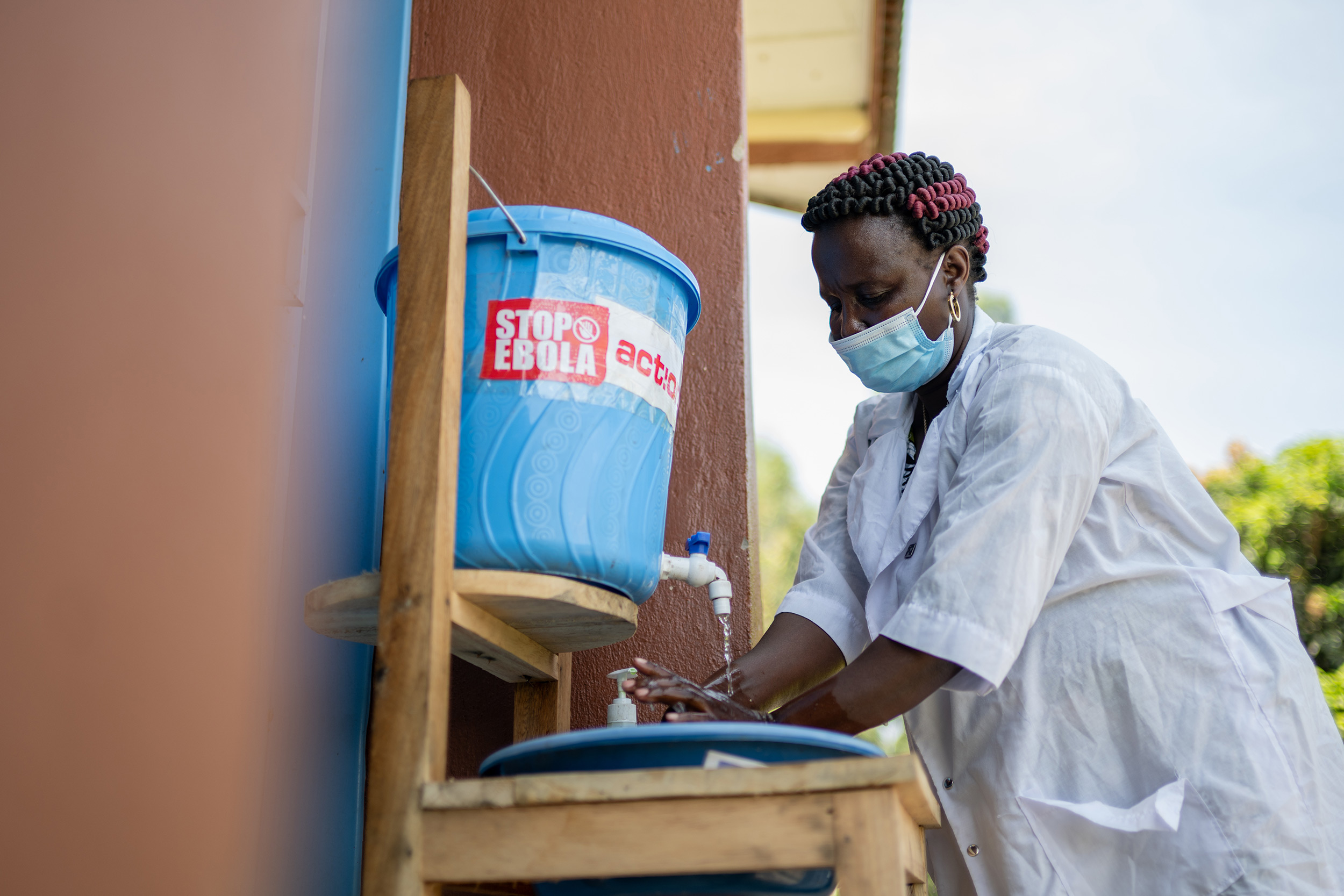
“This situation profoundly affects me because it shows how rumours and misinformation can influence patients’ behaviour and complicate our work. Before the epidemic, we received a large number of patients every day, but the number has now decreased significantly, which is very worrying,” explains Atimnedi.
Esther Anchouza has worked as a clinical psychologist with ActionAid for the past year, supporting people affected by crises and strengthening their psychosocial well-being. Since the Ebola outbreak, her work has changed dramatically. Group therapy sessions, where women could openly share their experiences, have become more difficult to organise due to restrictions and widespread fear.
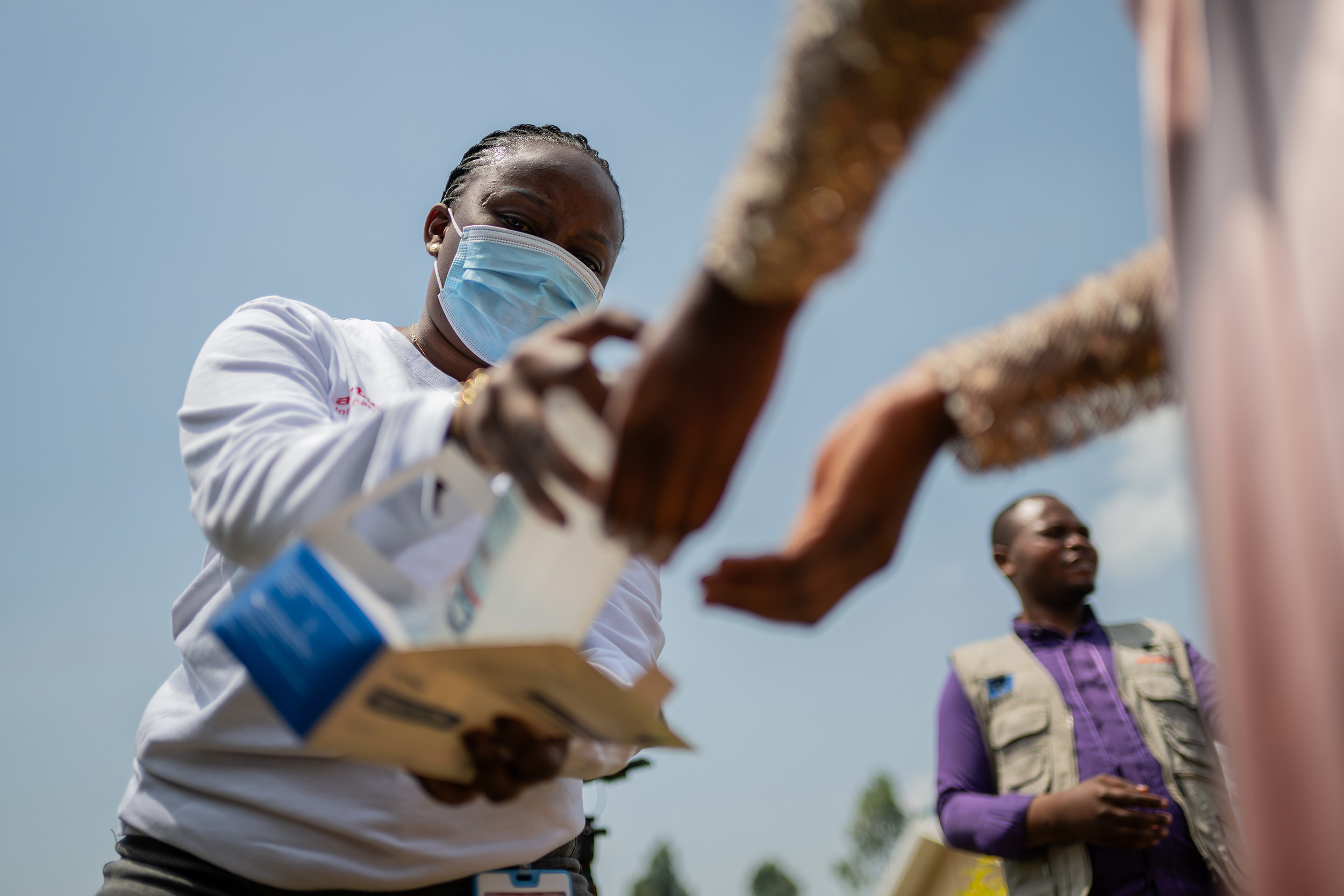
“The main challenges we face during this Ebola outbreak are, firstly, misinformation. Some people continue to doubt the existence of Ebola virus disease. In addition, there are not enough protective kits, which increases the risk of infection.”
“Some people claim it is witchcraft. This means the risk of transmission continues to increase. What affects me most is seeing people die and families lose their loved ones, while the number of confirmed cases continues to rise day by day,” she adds.
Against all odds, women like Atimnedi, Esther and Hélène continue to provide life-saving information and educate patients about Ebola, helping them overcome fear and misinformation. Driven by their commitment and dedication to their communities, they keep delivering essential care despite shortages of protective equipment and disinfectants.
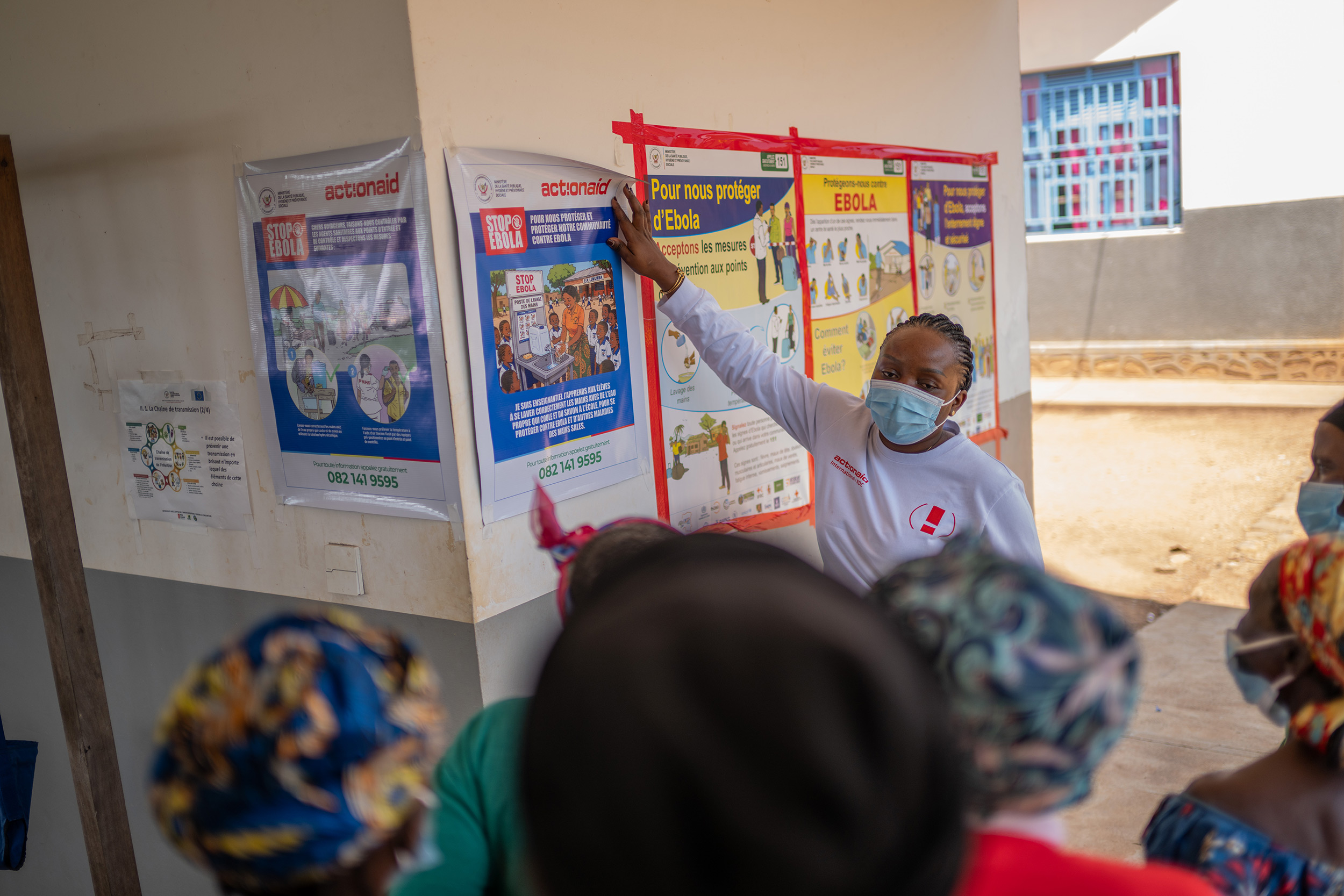
Their stories show why awareness-raising sessions, safe spaces for women and locally led, women-centred responses are vital in times of crisis.
150,000+ people reached: ActionAid fights Ebola misinformation and saves lives
To counter misinformation and save lives, ActionAid has reached more than 150,000 people with life-saving information on Ebola prevention, sharing trusted messages through community groups, schools, radio broadcasts and other local channels.
With 23 years of experience in the DRC, including a long-standing presence in Ituri province, one of the areas hardest hit by the outbreak, ActionAid is working on the ground to equip frontline workers and communities, strengthen hygiene and early detection, and share trusted prevention information. It also supports women like Atimnedi, Esther and Hélène, who continue to provide essential care and lead local efforts to protect their communities.
ActionAid has also reached:
- 22 schools with essential supplies and protective measures to help keep students and staff safe.
- More than 33,000 people with water, sanitation and hygiene services and kits to help prevent the spread of Ebola.
- More than 600 women and girls with cash transfers to help them meet essential needs and cope with the heightened risks and responsibilities they face as primary caregivers to sick relatives — 82% of women interviewed reported being primary caregivers, putting them at greater risk of infection, often without adequate protective equipment or training.